
Autism Treatment for Children: Which Therapies Can Support Development?
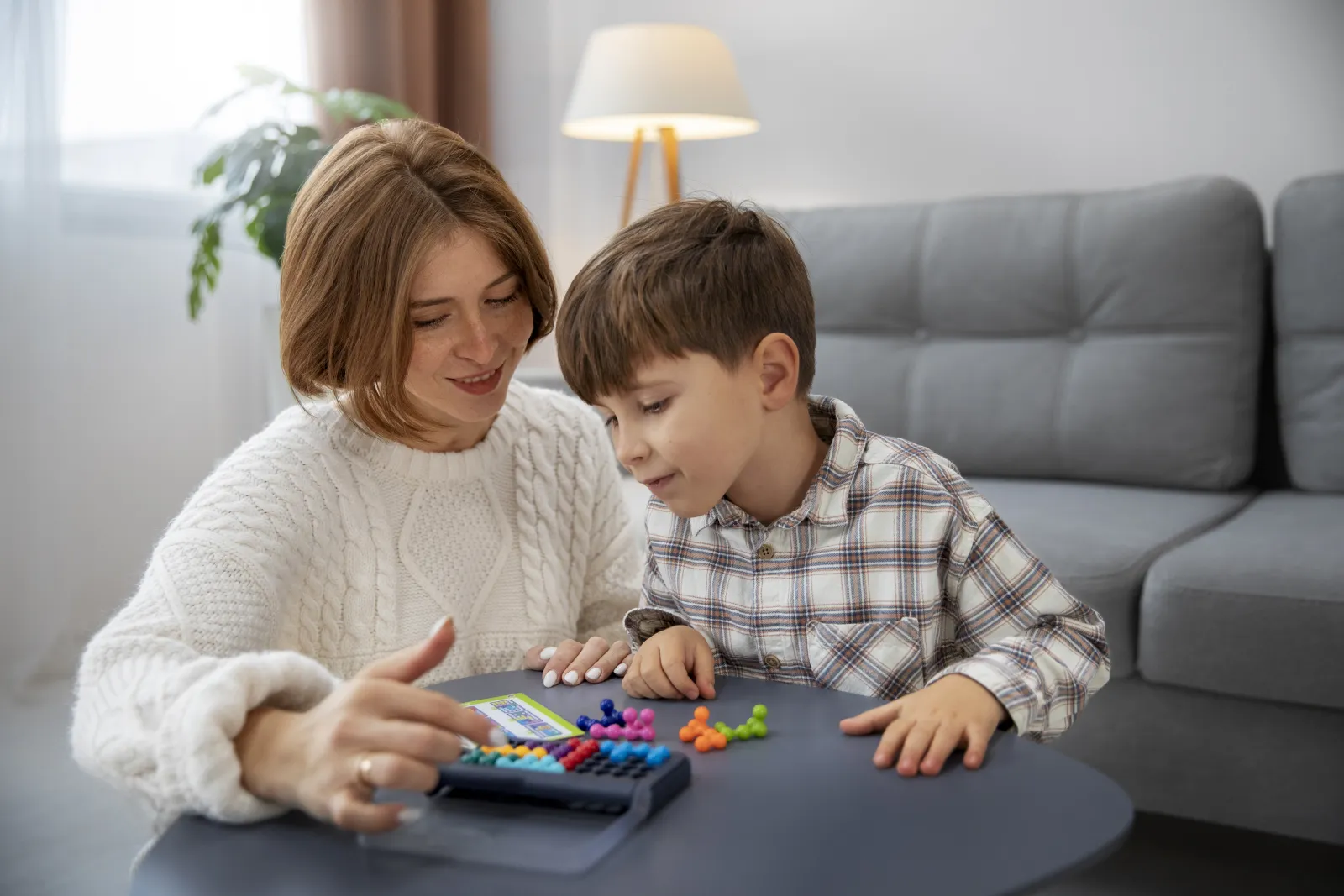
Autism treatment for children can include speech therapy, occupational therapy, behavioral interventions and early developmental support tailored to each child’s individual needs.
There is no single cure for autism spectrum disorder, but well-chosen treatments can meaningfully improve communication, daily living skills and quality of life. The strongest evidence supports early, structured interventions that combine behavioral, developmental and speech-language approaches, with medication reserved for specific co-occurring symptoms such as severe irritability. Families in Dubai can access many of these therapies through specialist clinics, including Bridges speech center, which offers assessment and therapy services for children with communication difficulties.
What the Research Actually Supports
Current treatment options fall into several categories. Behavioral approaches, especially Applied Behavior Analysis (ABA), have the most research behind them. Developmental therapies such as speech and language therapy and occupational therapy target specific skill gaps. Medications do not treat core autism traits but can help manage irritability, hyperactivity or anxiety. Complementary approaches vary widely in evidence quality.
| Therapy Type | What It Involves | Evidence Status |
| ABA (DTT, PRT) | Structured reinforcement of skills and behaviors | Strongest evidence for skill building |
| Speech-language therapy | Verbal and non-verbal communication, PECS | Well established |
| Occupational therapy | Self-care, motor skills, sensory integration | Well established |
| ESDM | Play-based early intervention for toddlers | Strong for ages 12 to 48 months |
| Medications | Risperidone, aripiprazole for irritability | FDA approved for specific symptoms |
TEACCH | Visual schedules, structured classroom routines | Supported in educational settings |
Behavioral Interventions: ABA, DTT and PRT
Applied Behavior Analysis is the most studied autism therapy for children. It works on the principle that rewarded behaviors are repeated. Progress is tracked and measured, which helps therapists adjust goals. Two common forms are Discrete Trial Training (DTT), which breaks skills into small steps taught through repeated trials, and Pivotal Response Training (PRT), which happens in natural settings and targets broad skills like motivation and initiating communication.
ABA is not without criticism. Some autistic adults describe early forms of the therapy as overly rigid or focused on making children appear non-autistic. Modern practice has shifted toward naturalistic, play-based methods and greater respect for neurodivergent identity. Parents choosing ABA should ask how the therapist balances skill building with emotional wellbeing and whether the program encourages autonomy rather than compliance alone.
Early Intervention and Developmental Therapies
Early intervention for autism matters because young brains are highly adaptable. The Early Start Denver Model (ESDM) is designed for children aged 12 to 48 months and combines ABA principles with relationship-based play. Research shows it can improve language and social skills when started early.
Speech therapy is often the first service families seek. It addresses both verbal speech and alternative communication, including gestures, signs and the Picture Exchange Communication System (PECS) for non-speaking children. Occupational therapy focuses on dressing, eating, fine motor control and sensory processing. Sensory integration therapy, a subtype of OT, helps children manage over- or under-sensitivity to sound, touch and movement.
In Dubai, families typically access these services through private clinics, hospital pediatric departments or school-based programs. Some providers offer Autism therapy at home, which can be useful for children who struggle in unfamiliar settings or for families with limited travel flexibility.
Medications: What Is Approved and What Is Not
Risperidone and aripiprazole are the only FDA-approved medications for autism-related symptoms, specifically irritability including aggression, self-injury and severe tantrums. Risperidone is approved for children ages 5 to 16, with trial doses ranging from 0.5 to 3.5 mg per day. Aripiprazole is approved for ages 6 to 17, with trial doses of 5 to 15 mg per day. Both can cause weight gain, sedation and increased appetite. Risperidone carries a higher risk of elevated prolactin levels.
No SSRI antidepressant is FDA approved for core autism symptoms in children. Large trials of fluoxetine and citalopram found no significant difference from placebo for repetitive behaviors, and citalopram increased impulsivity and insomnia in some children. Stimulants such as methylphenidate can help co-occurring ADHD, but response rates in autistic children are lower, around 50 percent compared with 70 to 80 percent in non-autistic children with ADHD, and side effects are more common. Any medication should start at a low dose and increase slowly, because autistic children are often more sensitive to adverse effects.
Complementary Approaches and Red Flags
Special diets, supplements, hyperbaric oxygen and animal therapy are frequently discussed among parents. Evidence for most is limited. Chelation therapy is actively discouraged: the FDA warns it can cause serious liver and kidney damage. Music therapy and art therapy may support engagement and emotional expression, but they should complement evidence-based therapies rather than replace them.
Educational Support and Co-occurring Conditions
Many children benefit from structured educational approaches such as TEACCH, which uses visual instructions, physical boundaries and consistent routines. Individualized Education Programs (IEPs) set specific learning goals and accommodations. Co-occurring conditions including sleep problems, seizures, gastrointestinal issues, anxiety and ADHD need separate attention, because untreated they can worsen daily functioning and interfere with therapy progress.
Choosing Therapies for Your Child
Start with a thorough diagnostic assessment from a developmental pediatrician, child psychiatrist or pediatric neurologist. Then prioritize therapies that target your child’s most pressing needs. A non-speaking child may need intensive speech therapy before behavioral goals make sense. A child with severe sensory overload may need occupational therapy before classroom demands are realistic.
Watch for these practical issues: therapist qualifications, session intensity, family capacity to practice skills between sessions, and whether goals are measurable. Some families spend significant amounts on ABA, so confirm what the program actually delivers and how progress is tracked. If you are unsure where to begin, book an assessment with a qualified provider to establish a baseline and discuss priorities. Knowing the early signs of autism in newborns can also help parents seek guidance sooner, though diagnosis typically happens later in toddlerhood.